Hazard-led selection
The medium and system concept are selected only after the actual risk and occupied condition are understood.
RISK-SPECIFIC FIRE CONTROL
05Purpose-selected suppression for critical rooms, equipment and specialist hazards.
WHAT IT MEANS
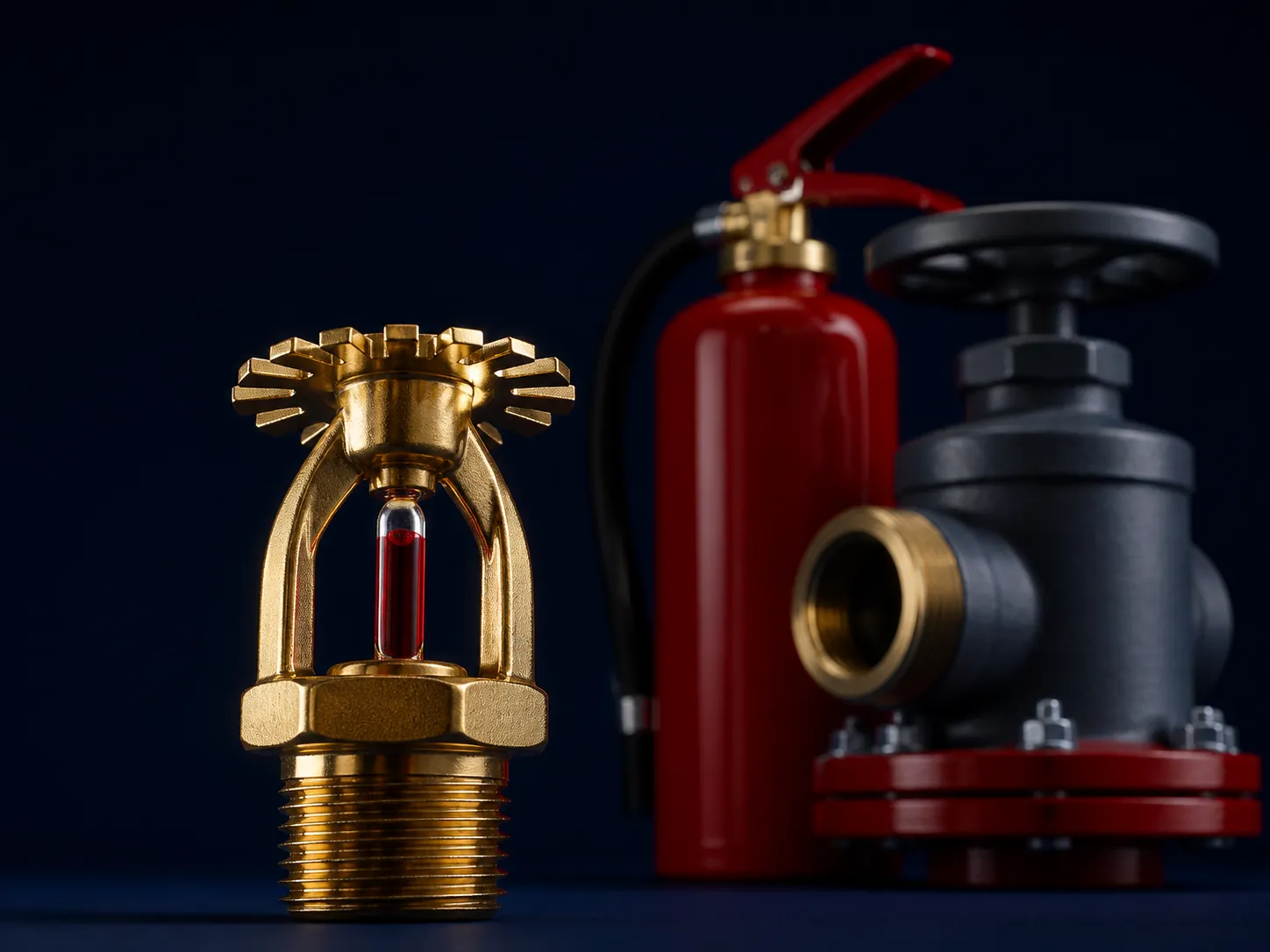
Specialised suppression protects risks that water alone may not address appropriately. The hazard, enclosure, occupied condition and operating process guide the extinguishing medium, detection method, release sequence and safety interfaces.
WHY IT MATTERS
Critical rooms and specialist hazards can require fast, controlled action with carefully coordinated warnings, shutdowns and release logic. The solution must protect people first while controlling the specific fire risk.
THE MERCURY STANDARD
Every decision remains connected to risk, performance, workmanship and long-term readiness.
The medium and system concept are selected only after the actual risk and occupied condition are understood.
Detection, warning, delay, shutdown and discharge functions are developed as one safe sequence.
Controls, interfaces, alarms and service provisions are checked and documented before handover.
A risk-specific suppression solution with clear operating logic, safe interfaces and accountable maintenance needs.
SYSTEM IN PRACTICE
Clear technical depth for project teams—organised around where the system applies, how Mercury develops it and how performance is protected after handover.
The hazard, enclosure, occupancy and shutdown sequence determine the extinguishing medium, quantity, distribution and release logic. Final selection follows a site-specific engineering review.
ENGINEERING CONSIDERATIONS
MERCURY SCOPE
COMMON QUESTIONS
Selection depends on the fire hazard, protected equipment, enclosure, occupancy and the consequences of discharge.
Openings, partitions and ventilation changes can affect enclosure integrity, agent concentration and release performance.
Control logic, alarms and interfaces can generally be functionally demonstrated using an approved test procedure that prevents unintended discharge.
NEXT STEP